

Bringing Art Into Everyday Spaces
Connecting artists, businesses, and community through public art
Art Beyond the Gallery Walls: Art Across Haywood is a community-driven public art program by the Haywood County Arts Council that brings art into everyday spaces across Haywood County.
From theatre lobbies and local businesses to murals and large-scale community projects, this initiative connects local artists with real-world venues—making art more visible, accessible, and integrated into daily life.
Why it Matters
Expands visibility for local artists
Connects artists with community space
Enhances the beauty of Haywood County
Creates meaningful volunteer opportunities
This program is about more than art; it’s about building a creative, connected community.
Current Opportunites
Connecting artists, businesses, and community through public art
Art at HART: In collaboration with the HART Theatre, HCAC’s program Art Across Haywood is an opportunity for current HCAC artist members to display artworks in the theatre lobby, coinciding with HART’s current productions!
How to Participate
For Artist Members
Must be a current HCAC Artist Member
Open to artists in the Western North Carolina region
No entry fees for exhibits
Work must be original, for sale, and family-friendly
All artwork must meet HCAC gallery standards and be ready for installation.
For Venues: Bring Art Into Your Space!
Are you a business or organization interested in hosting local artwork?
Art Across Haywood partners with:
Theatres
Restaurants & Breweries
Hotels, Airbnbs, and Bed & Breakfasts
Community venues
We’ll help connect you with talented local artists to transform your space.
Contact Lindsay at Info@HaywoodArts.org
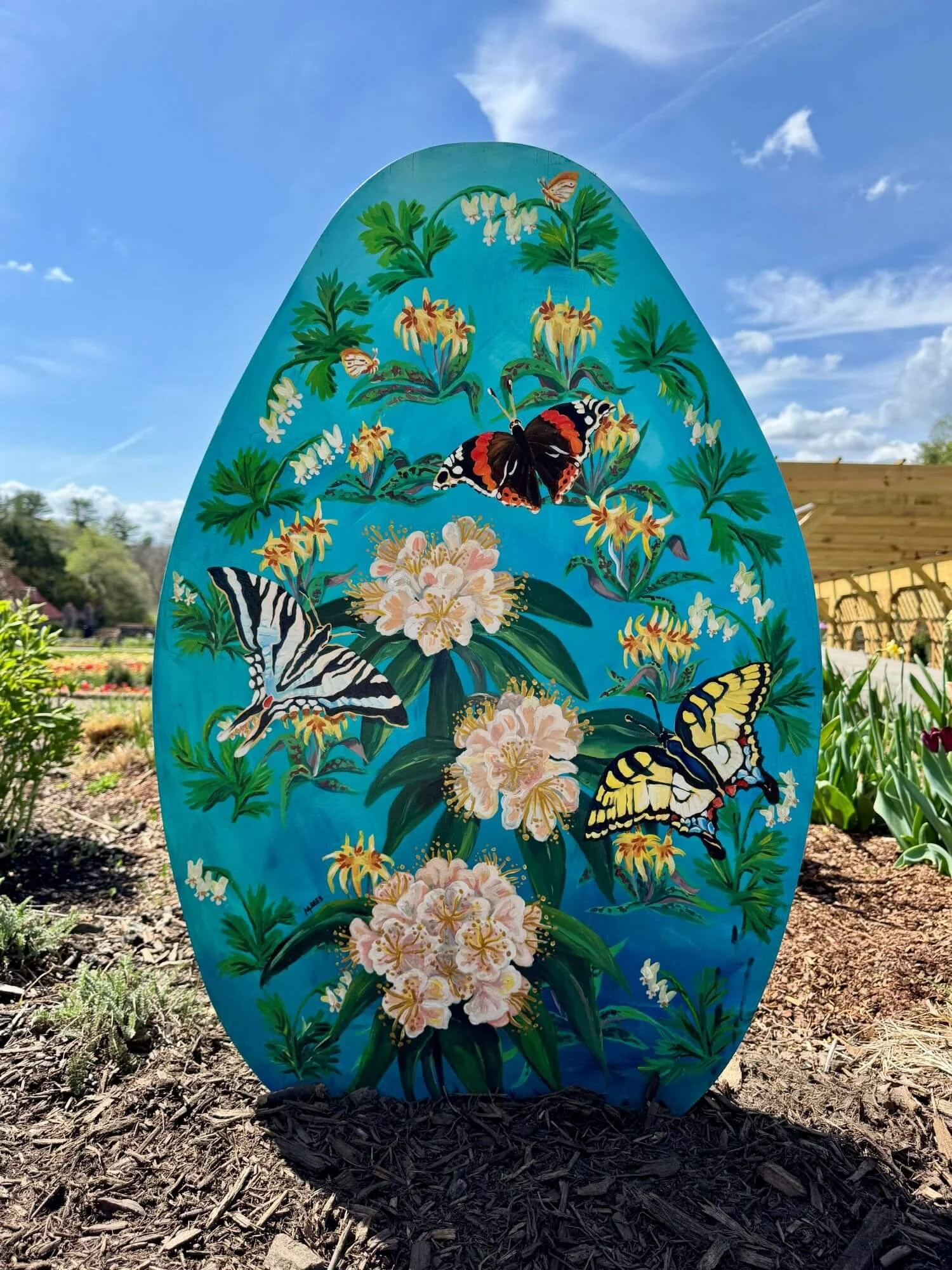
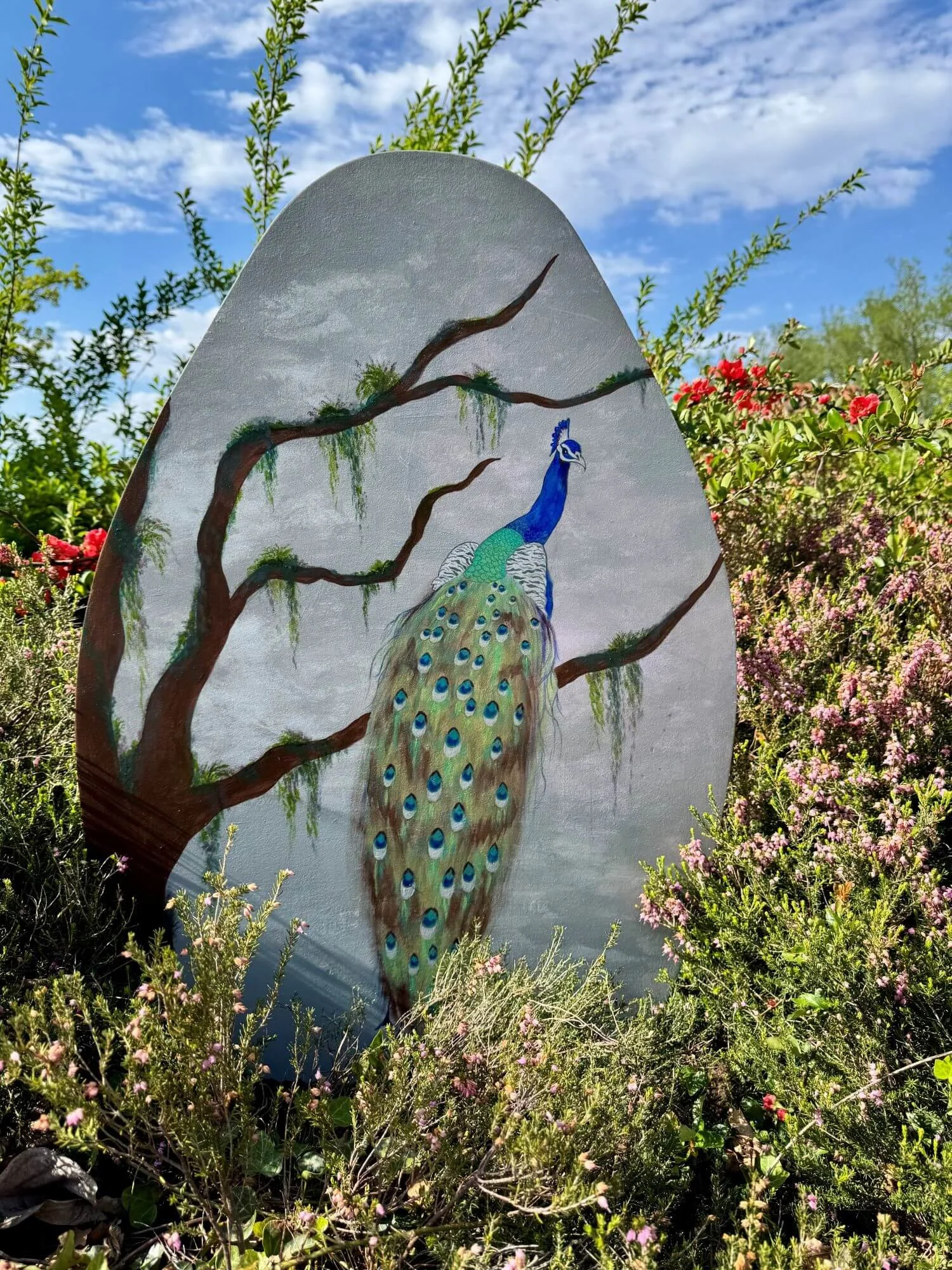
Annual Community Projects
-
![Amanda Kay Anders]()
Amanda Kay Anders
-
![Annette Centofanti]()
Annette Centofanti
-
![Bethany Cullen]()
Bethany Cullen
-
![Jan Kolenda]()
Jan Kolenda
-
![Jeff Marley]()
Jeff Marley
-
![Jennifer Sharkey]()
Jennifer Sharkey
-
![Lauren A. Medford]()
Lauren A. Medford
-
![Lindsay Keeling]()
Lindsay Keeling
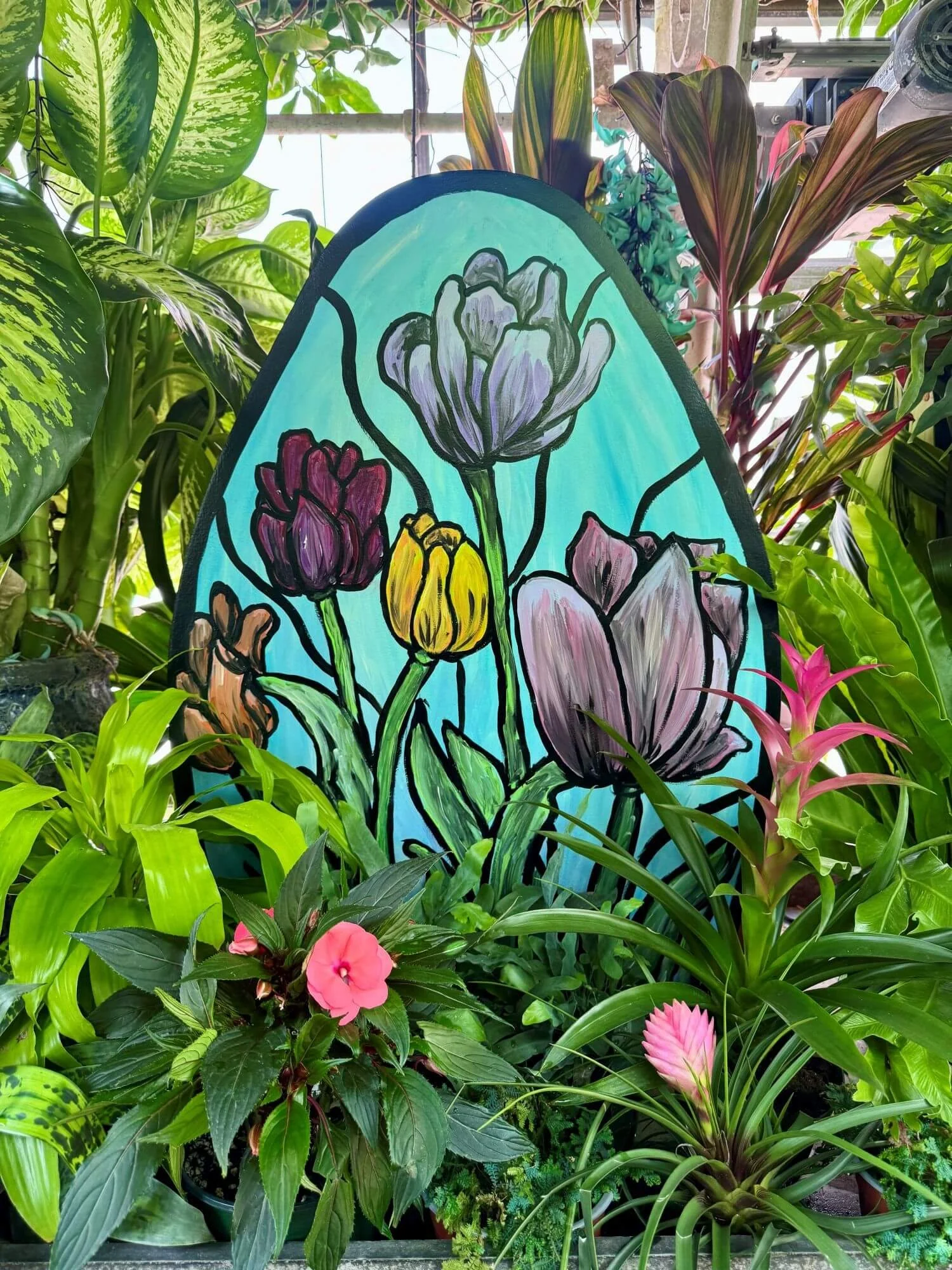
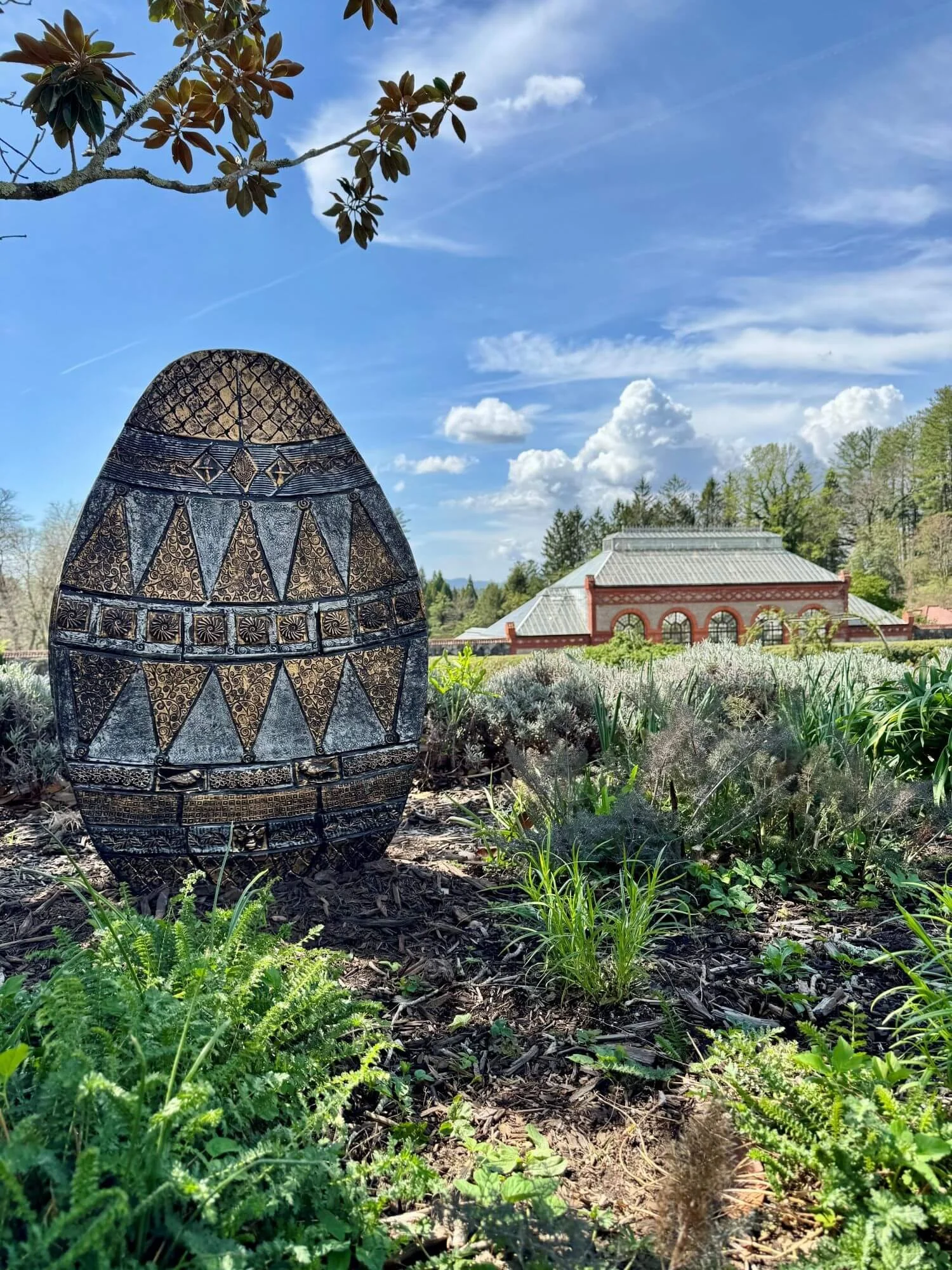
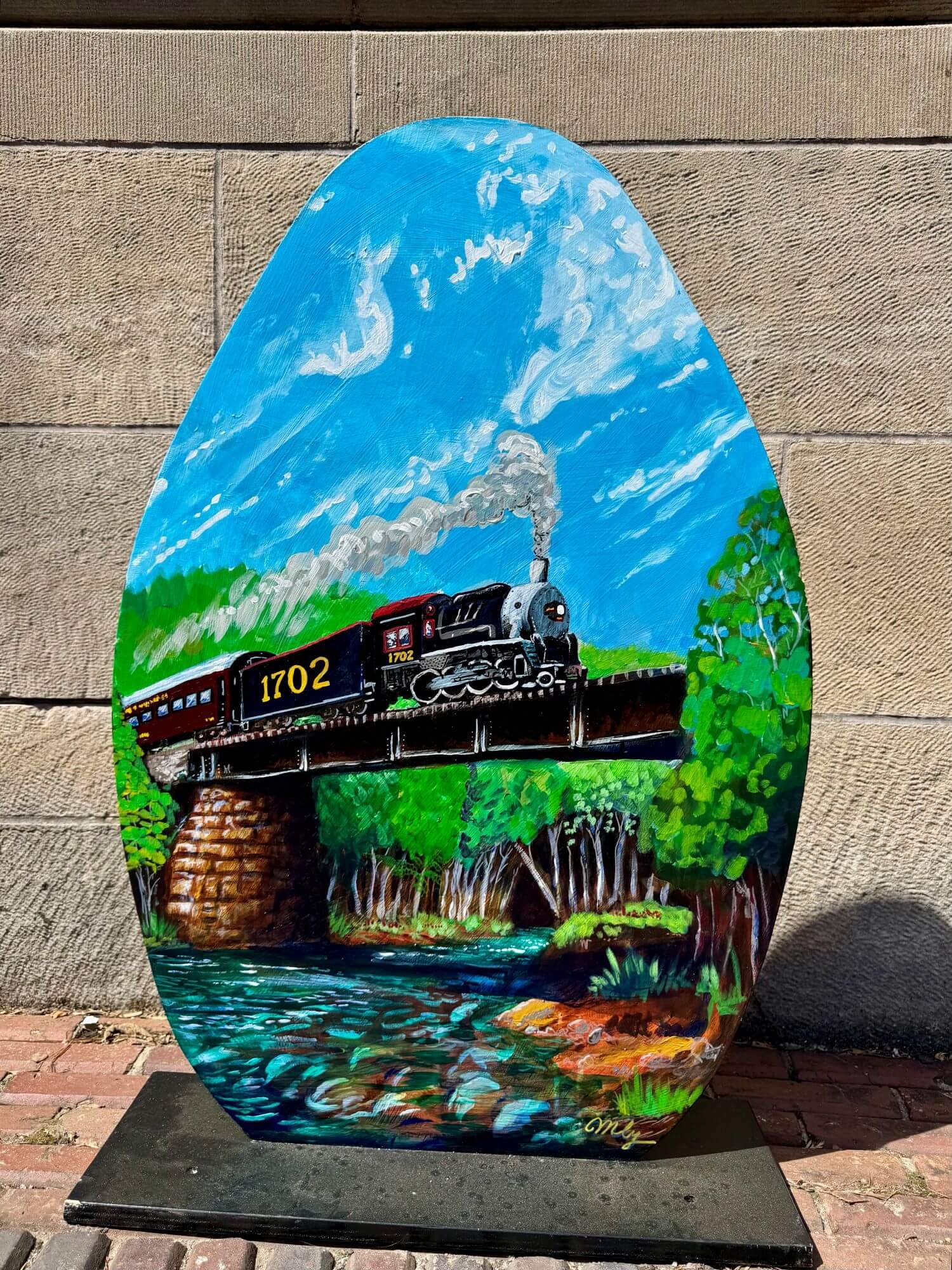
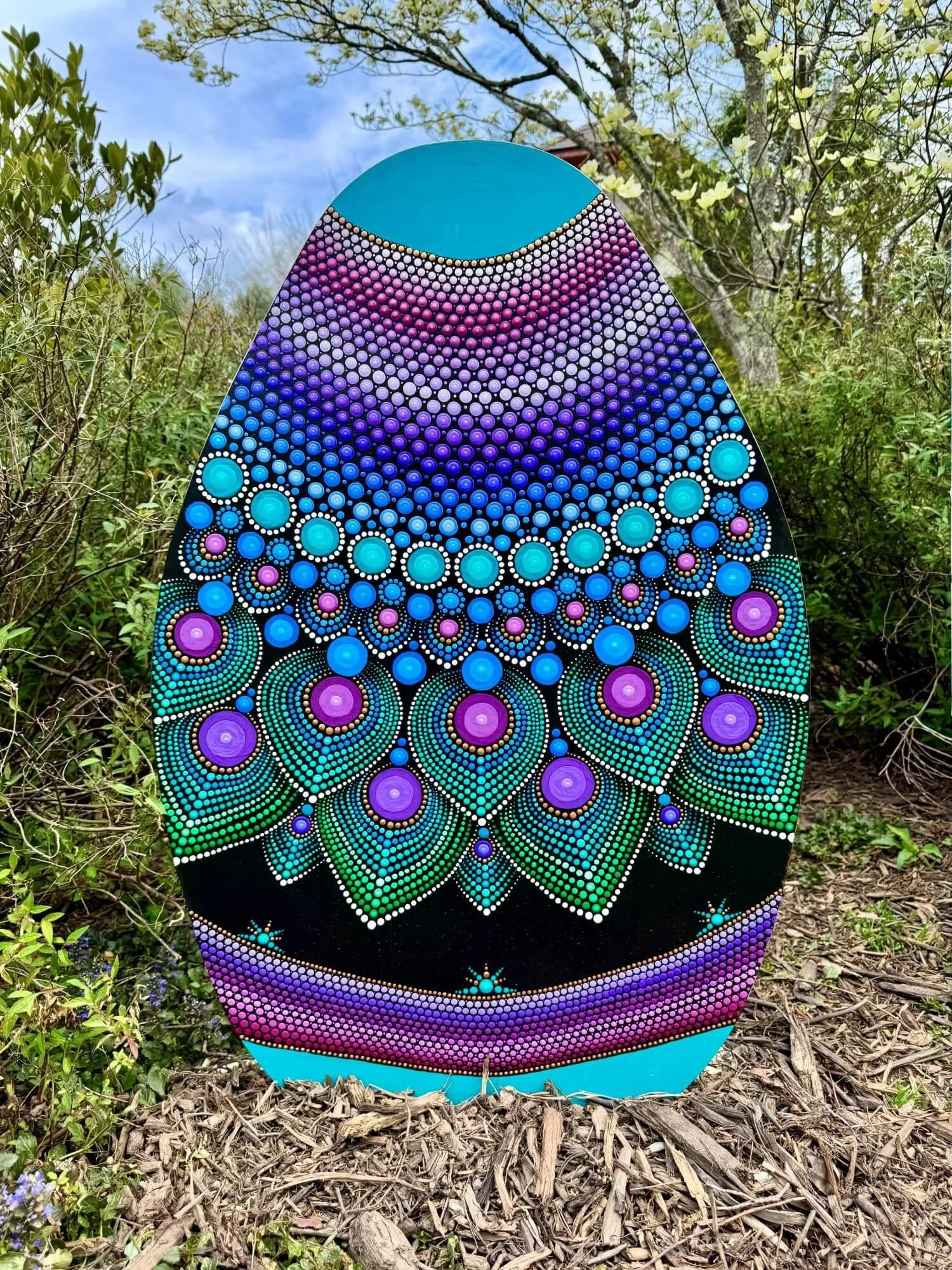
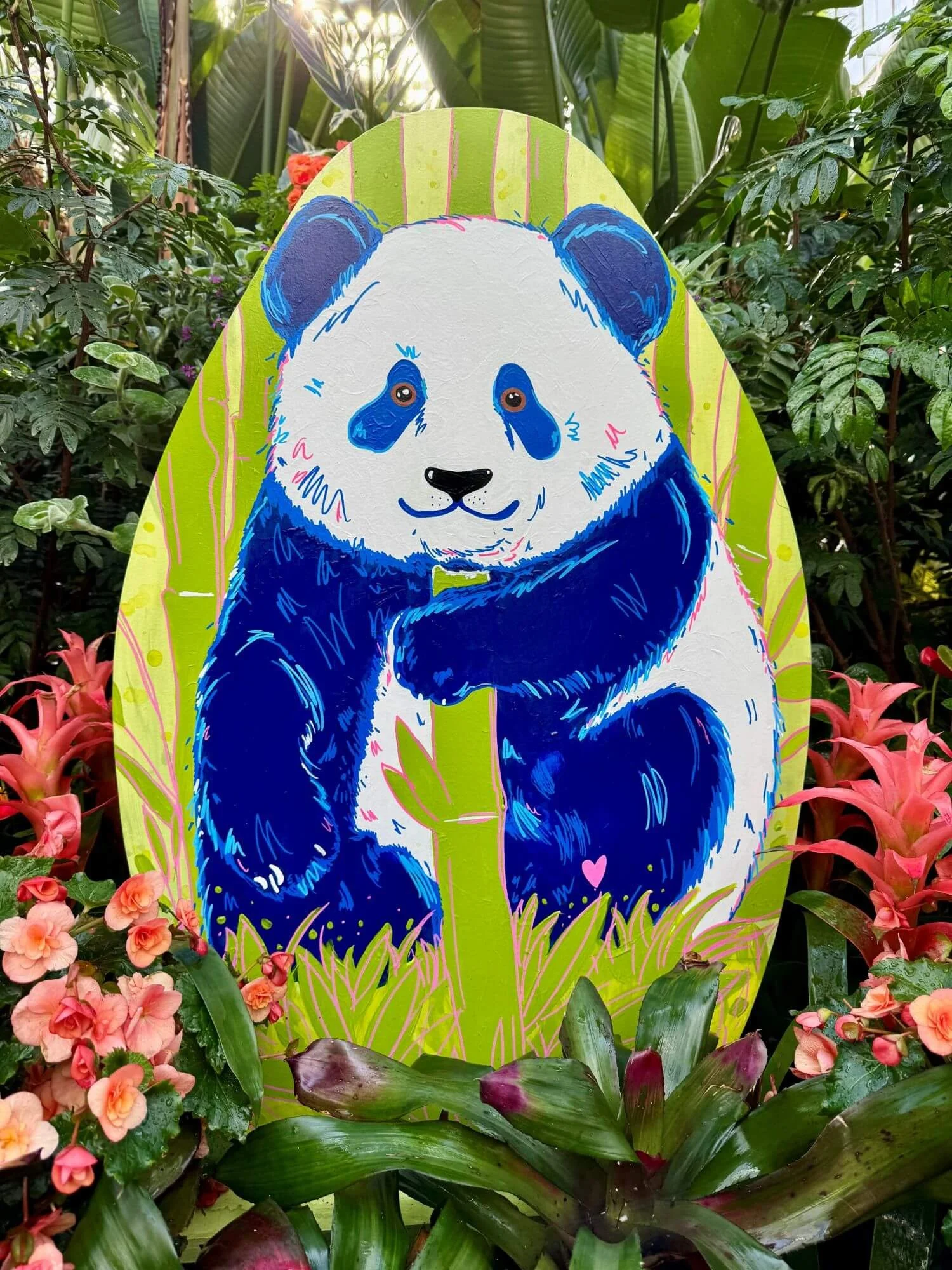
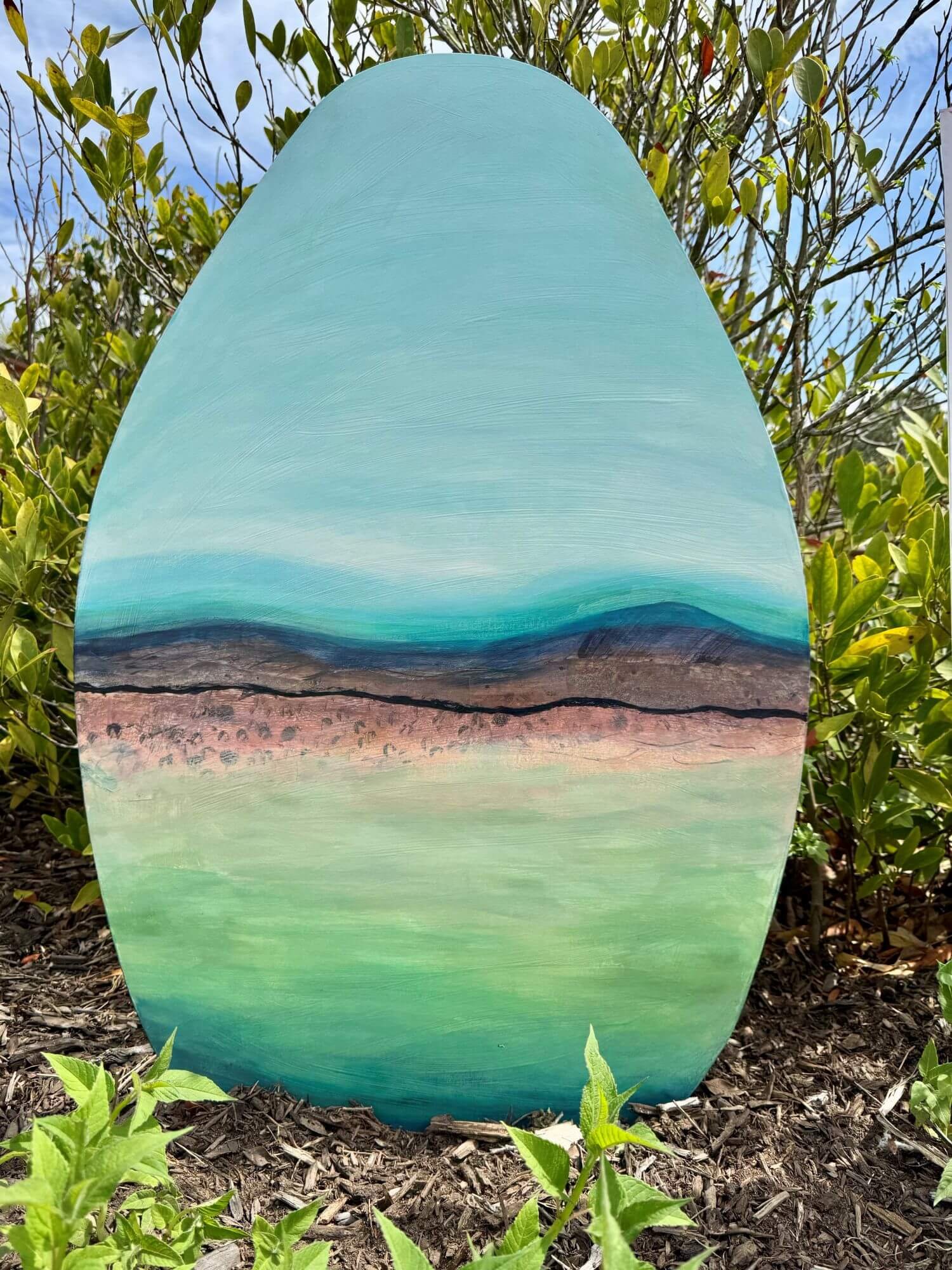
Past Projects
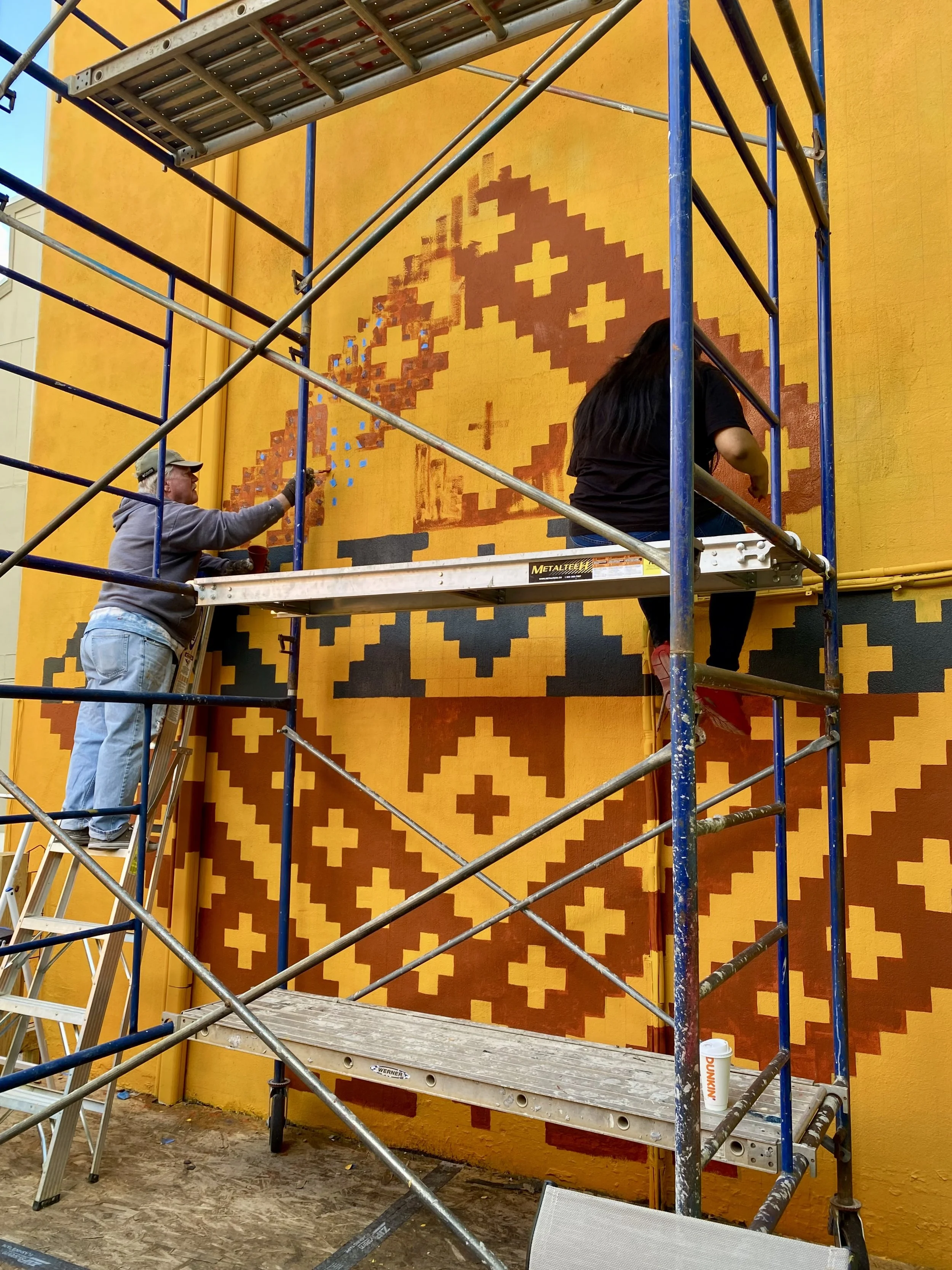
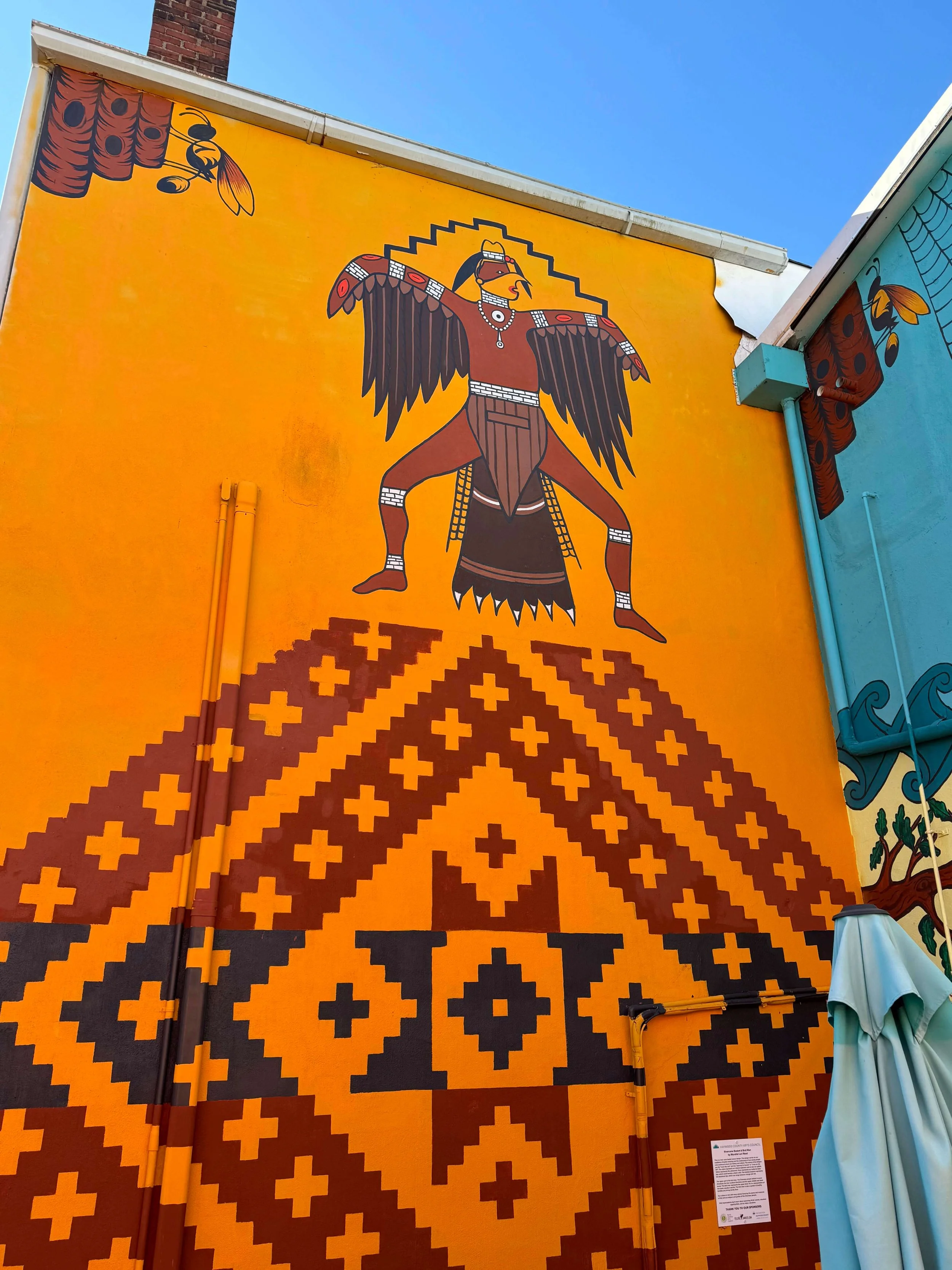
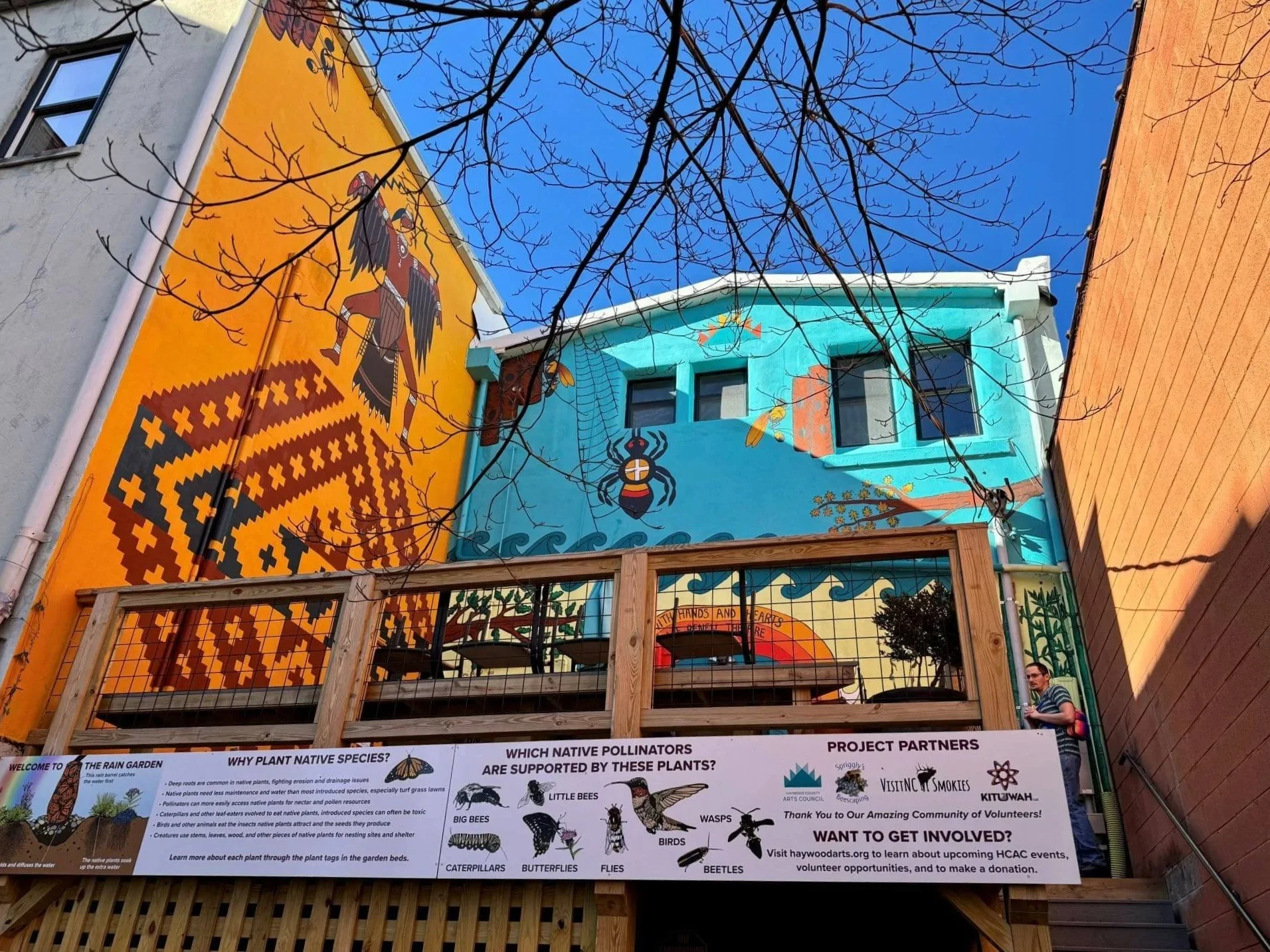
Rivercane Basket & Bird Man, By Muralist Lori Reed
This is a river cane basket weave design. This design carries on our traditions of basket weaving and the continuance of our young people who continue to learn our history and culture. The names of the designs are the “noon day sun” and the “stairway to heaven” or “cross on the hill”. The colors represent our natural materials used to dye our splints. Yellow represents the yellowroot. Onyx represents our butternut bark dye, which could become a black color. The toasted chestnut represents the bloodroot dye, which can range between orange and red.
The upper part is the bird man. The Cherokee people believe in seven directions: the four cardinal directions and the upper, middle and lower levels. The bird man represents the upper level. He is a representative of the hawk, usually a warrior. The bird man is also a symbol of healthy families and strong family lines.
Our culture is rich with many stories honoring the plants and creatures of this land as helpers and guides of the Cherokee people.
Cherokee Wall Street Mural
A powerful community mural celebrating Cherokee culture, storytelling, and artistic traditions. Created by Cherokee artist Lori Reed, with the help of community artists and volunteers.
Thank You to Our Sponsors:
NC Arts Council
The Fund for Haywood County
Visit NC Smokies
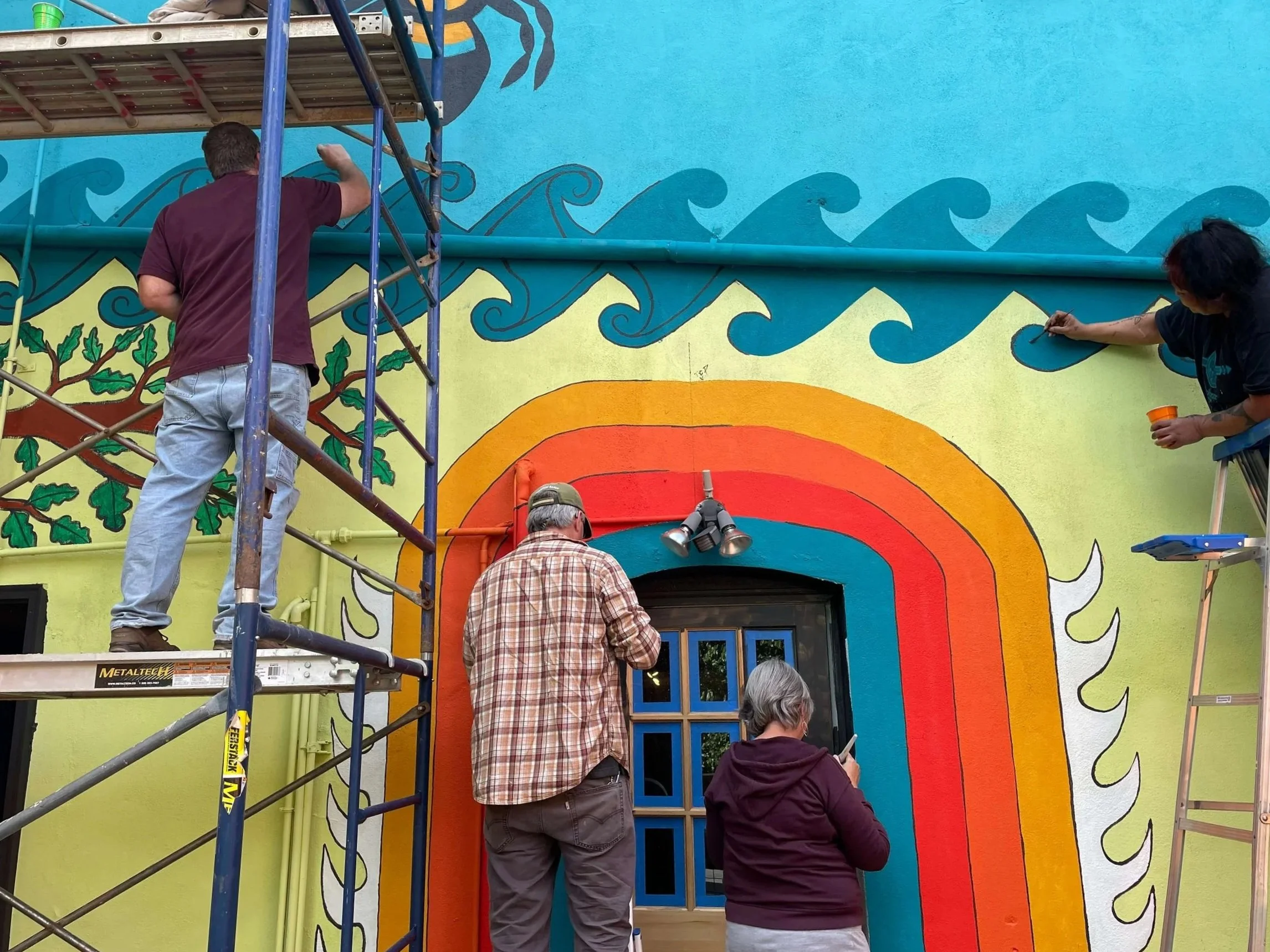
With Hearts and Hands We Renew the Fire, by Muralist Lori Reed
This is a Cherokee story. We have a long history in this land. Our villages covered eight states at one time, mainly by waterways.
Each year, we put out the fire in our homes, cleaned out our hearths, and went to the council house to get an ember from the ever-burning fire. We took it home to start our new fire for the year. This ritual is represented now by the fire colors: blues, reds, oranges, yellows, and white.
Water has always been an important part of our lives. Not only did it provide life-giving sustenance, but also means of transportation. Spiritually, it offered cleansing, protection, and the breaking up of bad medicine. This is represented by the water design, found on old pottery made by Southeastern tribes.
The Cherokee have been weavers for a long time. Our oldest known material was the river cane, an indigenous plant that is similar to the bamboo that was imported from Asia. It was used for mats and walls in our houses, along with bedding. We then began to weave baskets for carrying water, produce and storage. The spider is known for weaving his web and we learned to weave from the spider, kananesgi.
We have made use of natural clay that is found in our area. We made pots for water, for serving food and cooking. Our cooking pots were said to be as big as three feet wide at one point. We learned how to make pottery from the mud dauber.
Our baskets and colors are made from natural materials like River Cane, White Oak, Honeysuckle vines, and Maple. Cornbead is a plant that has its own story of origin from the removal of the Southeastern and Cherokee tribes. It is said that as our people were traveling along the way from our homelands to the Indian Territory in Oklahoma that as our people cried for their lost homes, family members and way of life, they asked the creator for a sign of hope. Where our peoples' teardrops fell, up sprang the Cornbead plant, also known as Job's Tears. We use the plants' seeds in our necklaces as a symbol of this horrific event in our history, but also as a sign of resilience, strength and perseverance of our people to survive.
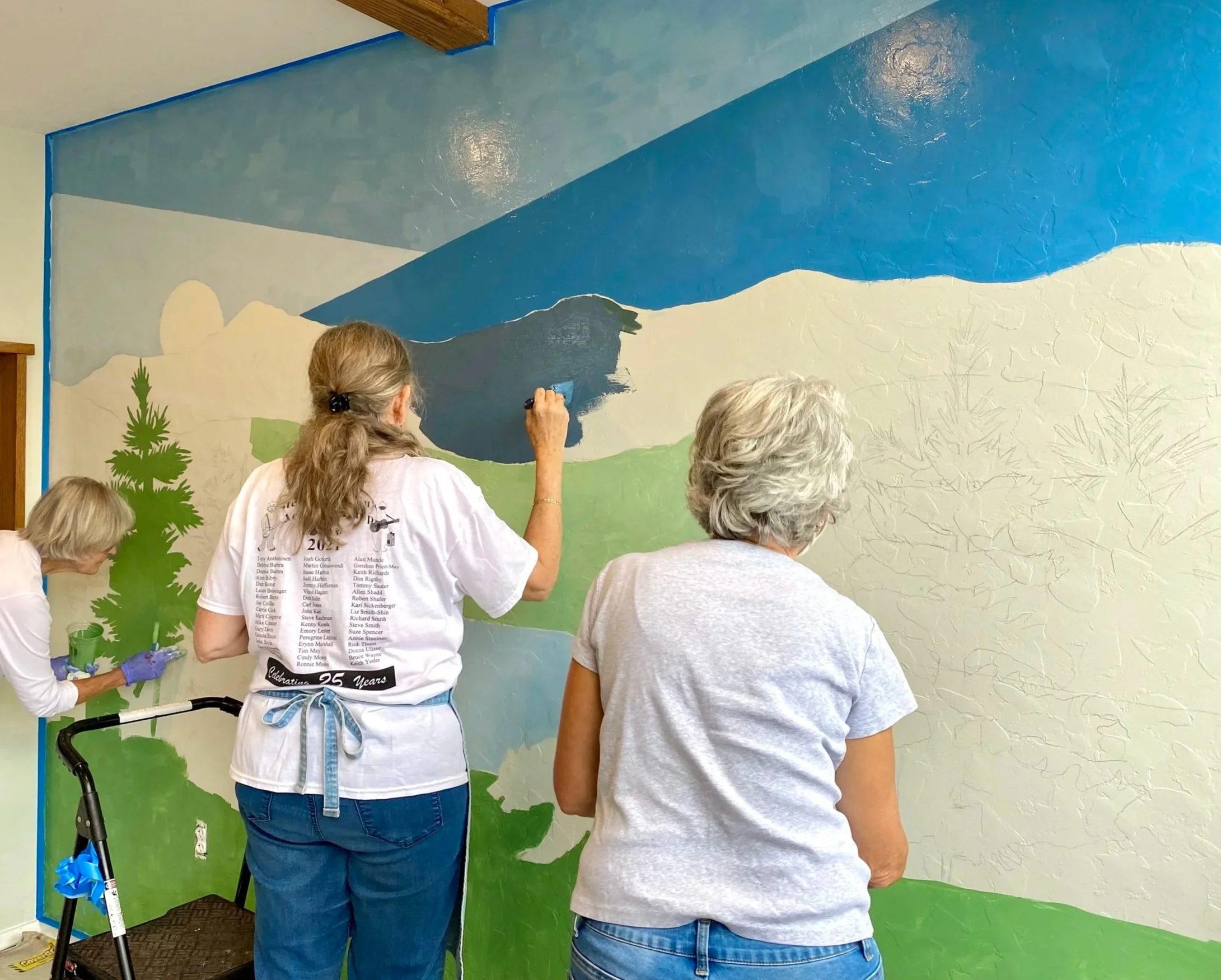
BearWaters Brewing Company Mural
Following devastating flooding in Canton, HCAC artists came together to create a mural as a symbol of resilience and community support—turning hardship into creativity and healing.
Through Art Across Haywood, We:
Support local artists with new exhibition opportunities
Bring art into public and unexpected spaces
Strengthen connections between artists and the community
This program is a growing part of HCAC’s mission to make art accessible to all.